

A growing range of
materials brought back
into circulation.
Explore the materials and commercial grades we work with. Each stream assessed by type, quality and condition — connected with the right processing or supply route.
- Copper
- Brass
- Aluminium
- Zinc
- Tin
- Nickel
- Cadmium
- Mild Steel
- Stainless Steel
- Gun Metal
- Battery
- Re-Melted Lead
- Plastics
- E-waste
14 categories across four material families
From common metals to specialist streams — every category assessed, connected and documented.
Base Metals
The most commonly recovered metals. Copper, brass, aluminium, zinc and tin in a range of commercial grades.
5 categoriesView gradesSpecialty Metals
Industrial metals with specific handling and routing requirements. Each assessed on type, grade and condition.
5 categoriesView gradesBattery & Lead
Battery materials and lead-bearing streams assessed for safe handling, processing and value recovery.
2 categoriesView gradesPlastics & E-waste
Polymer and electronic streams assessed individually. Route and value determined after assessment.
2 categoriesView grades
14Material
Categories.
- Grade entries
- 40+
- Material categories
- 14
- Focused
- Industry
- Processing
- Material
- By type & condition
- Assessed
- Collection & supply
- Coordinated
14 material categories shown.
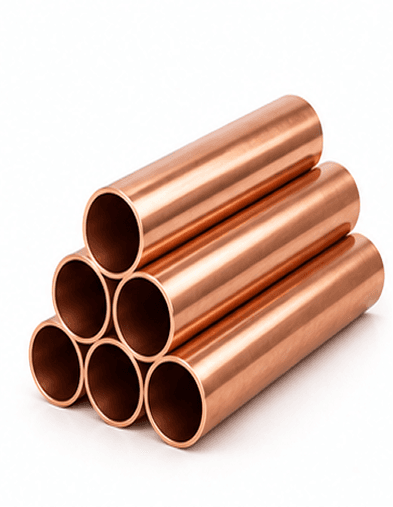 Most traded
Non-ferrous metal
Copper
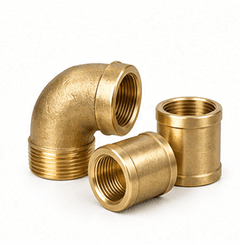 Non-ferrous
Brass
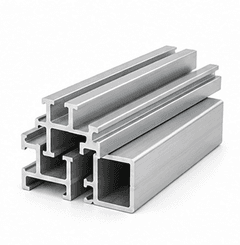 Non-ferrous
Aluminium
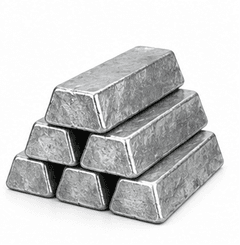 Non-ferrous
Zinc
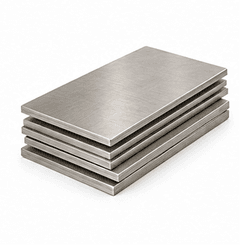 Non-ferrous
Nickel
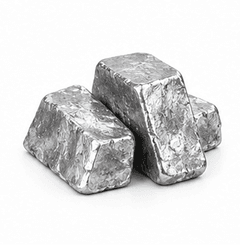 Non-ferrous
Cadmium
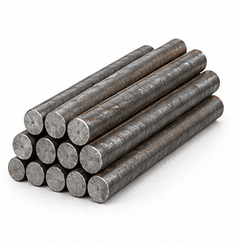 Ferrous
Mild Steel
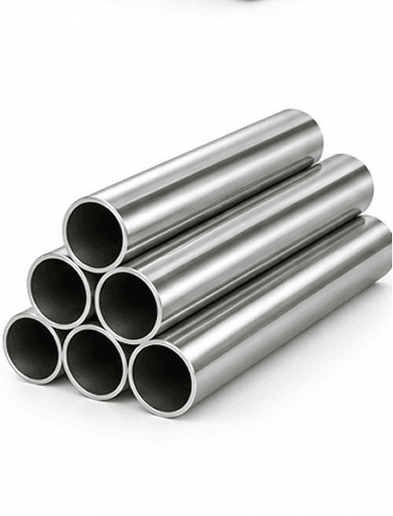 Most traded
Ferrous
Stainless Steel
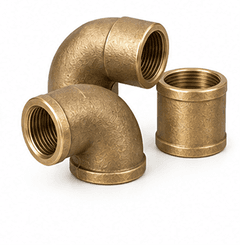 Non-ferrous
Gun Metal
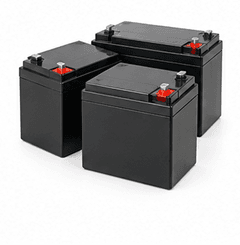 Battery
Battery
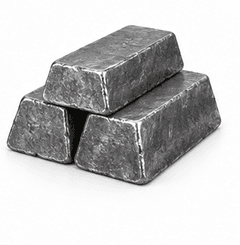 Non-ferrous
Re-Melted Lead
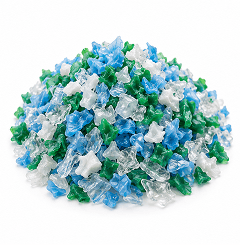 Polymer
Plastics
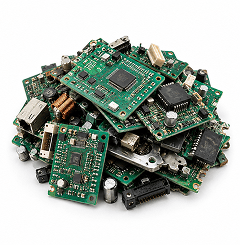 Electronic
E-waste
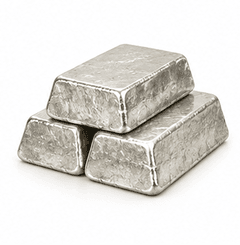 Non-ferrous
Tin
Browse by material family
Select a family to see the specific grades and categories we assess.
Base Metals
The most commonly recovered metals. Copper, brass, aluminium, zinc and tin in a range of commercial grades.
- 12 grade entries
Copper
Bright, wire, sheet, armature, coated and PVC-related grades.
- 4 grade entries
Brass
Gun metal, bartan, gatti, purja and honey grades.
- 4 grade entries
Aluminium
Motor, liner, extrusion, window-section and alloy categories.
- 3 grade entries
Zinc
Ingot, purja and dross for material-specific assessment.
- 1 grade entry
Tin
Ingot under the Indonesia commercial subcategory.
Specialty Metals
Industrial metals with specific handling and routing requirements. Each assessed on type, grade and condition.
- 1 grade entry
Nickel
Assessed by type, grade and condition to determine an appropriate recovery route.
- 1 grade entry
Cadmium
Assessed by type, grade and condition to determine an appropriate recovery route.
- 1 grade entry
Mild Steel
Assessed by type, grade and condition to determine an appropriate recovery route.
- 4 grade entries
Stainless Steel
Assessed by type, grade and condition to determine an appropriate recovery route.
- 3 grade entries
Gun Metal
Assessed by type, grade and condition to determine an appropriate recovery route.
Battery & Lead
Battery materials and lead-bearing streams assessed for safe handling, processing and value recovery.
- 4 grade entries
Battery
Assessed by type, grade and condition to determine an appropriate recovery route.
- 2 grade entries
Re-Melted Lead
Assessed by type, grade and condition to determine an appropriate recovery route.
Plastics & E-waste
Polymer and electronic streams assessed individually. Route and value determined after assessment.
- Assessed by polymer
Plastics
Assessed by polymer. Route and value confirmed during assessment.
- Assessed by stream
E-waste
Assessed by stream. Route and value confirmed during assessment.
Grades and availability confirmed during assessment.
Six criteria applied to every material
Before any route is agreed, we apply these lenses to understand what you have and where it can go.
Material type
Identify the category, alloy or polymer composition.
Purity & quality
Review contamination levels and overall material quality.
Quantity
Understand volume available and consistency of supply.
Condition
Review physical condition and packaging requirements.
Recovery potential
Evaluate which processing route extracts the most value.
Logistics & pickup
Confirm movement requirements and collection coordination.
Why proper classification matters
Getting the grade right determines value, safety and what the material can become.
Better value recovery
Understanding the grade determines what your material is worth and which buyer it can reach.
Smoother processing
Correctly sorted materials move through processing without hold-ups or reclassification.
Safer handling
Knowing the material type ensures the right handling steps are in place from collection onwards.
The right processing route
Each material type connects to a specific set of downstream options — classification opens those doors.
Clear documentation
An agreed grade supports accurate records, compliance and transparent commercial terms.
Have material to classify or value?
Share a few details and our team will assess your materials and help you find the right next step.
Speak with our team directly.
Use a Contact button below to send an enquiry, or email contact@loopzone.ai with your material details.
Send a material enquiry
Describe what you have — we respond within 24 hours.
Arrange a site assessment
Share your location and volume for a coordinated visit.
Identify your grade
Not sure what category your material falls into? We'll help.
We respect your privacy and use your details solely to respond to your enquiry.
Materials & Operations
Yes. No material is resold without passing through our assessment and processing workflow. Every lot is weighed, visually inspected, and graded at our facility before it is listed for resale. This is what allows us to give buyers reliable grade descriptions — and it is what makes generators' quotes accurate and defensible.
Ready to put your material
back into the loop?
Tell us what you have. We're here to assess it and connect it with the right material route.